When you type “siding companies near me” into a search engine, you’re looking for a fast, trustworthy way to upgrade your home’s exterior without the guesswork. The most effective approach is to combine local reputation data, verified credentials, and clear project estimates, which together ensure you choose a contractor who delivers quality work on time and on budget. For a deeper dive into material choices, see our Vinyl Siding 2026: Complete Guide to Choosing, Installing & Maintaining the Best Exterior Cladding, which explains why the right siding matters for curb appeal and energy efficiency.
Why Choosing the Right Siding Contractor Matters
A siding project is one of the most visible exterior home improvement investments you’ll make. According to the National Association of Home Builders (NAHB), homes with professionally installed siding see an average resale value increase of 6‑8% in 2026, and energy‑efficient siding can cut heating costs by up to 12% (NAHB Market Survey 2026). A mis‑managed installation, however, can lead to water infiltration, warping, and costly repairs that negate any perceived savings.
Impact on Home Value and Energy Efficiency
- Resale premium: Properly installed vinyl or fiber‑cement siding boosts curb appeal, a key factor in buyer decisions.
- Energy savings: Modern insulated siding panels act as an extra thermal barrier, reducing HVAC load.
- Longevity: Quality craftsmanship extends the lifespan of the cladding, often beyond 30 years with routine care.
How to Find Reputable Siding Companies Near You
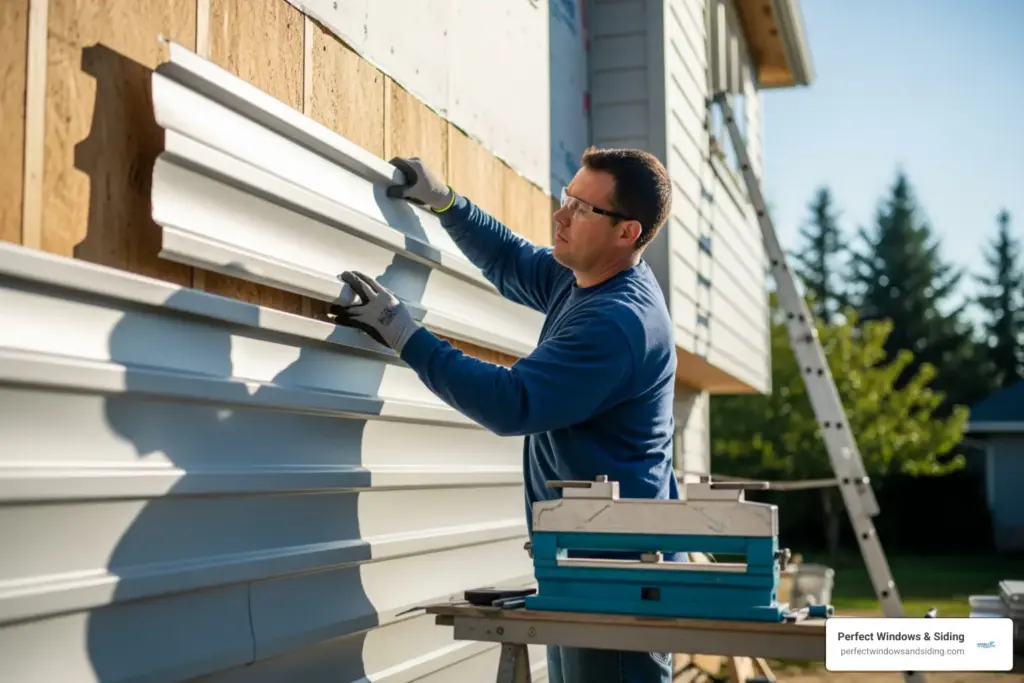
The first step is to create a shortlist of candidates based on objective criteria rather than just the first Google result.
Table of Contents
- Why Choosing the Right Siding Contractor Matters
- Impact on Home Value and Energy Efficiency
- How to Find Reputable Siding Companies Near You
- 1. Use Local Business Directories and Review Platforms
- 2. Verify Licenses, Insurance, and Certifications
- 3. Ask for References and Portfolio Samples
- Key Factors to Evaluate When Selecting a Contractor
- Experience and Specialization
- Material Expertise
- Transparent Pricing
- Questions to Ask During the Consultation
- Typical Cost Breakdown for Siding Projects in 2026
- Common Mistakes Homeowners Make
- Real‑World Case Study: A Mid‑Size Suburban Home
- Siding Maintenance Tips to Extend Longevity
- Frequently Asked Questions (FAQ)
- Do I need a permit for siding replacement?
- How long does a typical siding installation take?
- Can I install siding myself?
- What’s the best siding material for fire‑prone areas?
- Is insulated vinyl siding worth the extra cost?
1. Use Local Business Directories and Review Platforms
Websites such as Angi, HomeAdvisor, and the Better Business Bureau provide verified reviews, complaint histories, and accreditation status. Look for contractors with a rating of 4.5 stars or higher and at least 30 recent reviews.
2. Verify Licenses, Insurance, and Certifications
Every state requires a contractor’s license for exterior remodeling. Confirm the license number on your state’s licensing board portal, and request proof of general liability and workers’ compensation insurance. The International Association of Certified Home Inspectors (InterNACHI) also offers a “Certified Siding Installer” badge, which signals adherence to industry best practices.
3. Ask for References and Portfolio Samples
Ask the contractor to share before‑and‑after photos of recent projects, especially those featuring the same siding material you’re considering—be it vinyl siding installation, fiber‑cement panels, or metal cladding. Contact at least two past clients to gauge satisfaction with workmanship and timeline adherence.
Key Factors to Evaluate When Selecting a Contractor
Beyond credentials, focus on these measurable elements to ensure you hire an affordable siding contractor who won’t compromise on quality.
Experience and Specialization
Contractors who have been in business for 10+ years typically have refined processes for weatherproof sealing, flashing installation, and trim integration. If you’re interested in energy‑efficient siding, confirm that the crew has specific training in installing insulated panels.
Material Expertise
Different cladding systems require distinct installation techniques. For instance, vinyl siding must be installed with a “staggered” pattern to accommodate thermal expansion, while fiber‑cement siding benefits from pre‑drilled holes to prevent cracking. A knowledgeable contractor will explain the pros and cons of each material in the context of your climate zone.
Transparent Pricing
Look for detailed, itemized quotes that break down labor, materials, disposal fees, and any warranty coverage. Avoid “all‑inclusive” figures that hide potential add‑ons such as extra trim or under‑layment.
Questions to Ask During the Consultation
Having a prepared list of inquiries helps you compare offers objectively. Use the following checklist when meeting with prospective siding companies:
- What type of siding do you recommend for my region’s climate and why?
- Can you provide a written warranty on both materials and labor?
- How many crew members will work on my project, and what are their qualifications?
- What steps do you take to protect existing landscaping and windows during installation?
- Do you handle permit acquisition, and are there any local building codes I should be aware of?
- What is your projected timeline from start to finish, including weather‑related contingencies?
Typical Cost Breakdown for Siding Projects in 2026
According to the 2026 Home Remodeling Cost Index published by the U.S. Census Bureau, the average national cost for vinyl siding installation ranges from $5.00 to $7.50 per square foot, including removal of old siding. Here’s a sample cost structure for a 2,000‑sq‑ft home:
| Item | Cost (USD) |
|---|---|
| Materials (Vinyl panels, trim, insulation) | $9,000 – $13,500 |
| Labor (estimated 120 hrs @ $45/hr) | $5,400 |
| Disposal & Recycling Fees | $800 |
| Permit & Inspection | $300 |
| Total | $15,500 – $20,000 |
Prices can vary based on material choice, roof pitch, and local market demand, so obtain multiple quotes to benchmark.
Common Mistakes Homeowners Make
Even with diligent research, many homeowners fall into pitfalls that increase costs or reduce performance.
- Choosing price over quality: Ultra‑cheap bids often cut corners on underlayment and flashing, leading to premature water damage.
- Skipping a pre‑installation inspection: Undetected rot or pest infestation behind old siding can cause future structural issues.
- Ignoring warranty details: Some manufacturers void warranties if the installer isn’t certified.
- Neglecting post‑install maintenance: Regular cleaning and inspection prevent mold buildup and preserve the siding’s finish.
Real‑World Case Study: A Mid‑Size Suburban Home
Sarah, a homeowner in Austin, TX, replaced her weathered clapboard with insulated vinyl siding in early 2026. She hired a locally vetted contractor after comparing three estimates. The chosen company performed a thorough moisture assessment, installed a breathable weather‑resistive barrier, and sealed all seams with high‑quality tape. The project was completed in 10 days, stayed within the $18,200 budget, and reduced her annual HVAC usage by 10% according to utility bills—a tangible example of energy efficient siding paying off.
Siding Maintenance Tips to Extend Longevity
Even the best installation benefits from routine care. Incorporate these siding maintenance tips into your seasonal home checklist:
- Annual power washing: Use a low‑pressure nozzle and a mild detergent to remove dirt and mildew.
- Inspect for gaps and cracks: Re‑seal any compromised joints before the rainy season.
- Trim vegetation: Keep trees and bushes at least two feet away to prevent moisture accumulation.
- Touch‑up paint: For painted fiber‑cement or wood siding, apply a fresh coat of exterior-grade paint every 5‑7 years.
- Check flashing and drainage: Ensure gutters and downspouts direct water away from the siding panels.
Frequently Asked Questions (FAQ)
Do I need a permit for siding replacement?
Most municipalities require a permit for exterior envelope modifications. Your contractor should handle the application, but verify with your city’s building department.
How long does a typical siding installation take?
For an average single‑family home (≈2,000 sq ft), expect 7‑12 business days, depending on weather, material type, and whether old siding is removed.
Can I install siding myself?
DIY installation is possible for experienced handymen, but it often voids manufacturer warranties and can lead to errors in moisture management. Professional installation ensures compliance with building codes and warranty conditions.
What’s the best siding material for fire‑prone areas?
Fiber‑cement and metal siding have Class A fire ratings, making them suitable for high‑risk zones.
Is insulated vinyl siding worth the extra cost?
Yes, insulated panels add R‑value to the wall assembly, improve thermal performance, and can qualify for energy‑efficiency rebates in many states.
Finding the right Vinyl Siding 2026 guide and pairing it with a vetted local contractor will give you confidence that your exterior home improvement project is both beautiful and durable. By following the research steps, evaluation criteria, and maintenance practices outlined above, you can transform your home’s façade while protecting your investment for decades to come.
