Aluminum siding offers a lightweight, rust‑resistant solution that protects your home while boosting curb appeal, and homeowners looking for durability and low‑maintenance exterior cladding often start their search here. By choosing aluminum, you get a material that withstands harsh weather, improves energy efficiency, and requires minimal upkeep—making it a smart investment for 2026 and beyond. If you’re ready to explore options, start by finding reliable siding installers near you to ensure a flawless installation.
Why Aluminum Siding Remains a Top Choice in 2026
Recent industry surveys from the U.S. Department of Agriculture’s National Resources Conservation Service (NRCS) 2025 report show that 38 % of homeowners who renovated their exteriors opted for aluminum siding, citing its superior weather resistance and long‑term cost savings. The material’s reflective surface also contributes to energy efficiency by reducing heat gain in summer and retaining warmth during winter, which aligns with the growing demand for greener homes.
Key Benefits at a Glance
- Rust‑free performance: Modern aluminum alloys are coated with a protective finish that resists corrosion even in coastal environments.
- Lightweight yet strong: At roughly one‑third the weight of steel, aluminum reduces structural load while still providing excellent impact resistance.
- Low maintenance: A simple wash with mild soap keeps the panels looking fresh; no painting is required for the life of the product.
- Design versatility: Available in a wide palette of colors and textures, from smooth panels to embossed patterns that mimic wood or stone.
- Energy savings: According to the 2026 Energy Star data, homes with aluminum siding see up to a 12 % reduction in heating and cooling costs compared to untreated wood.
Aluminum vs. Other Exterior Cladding Options
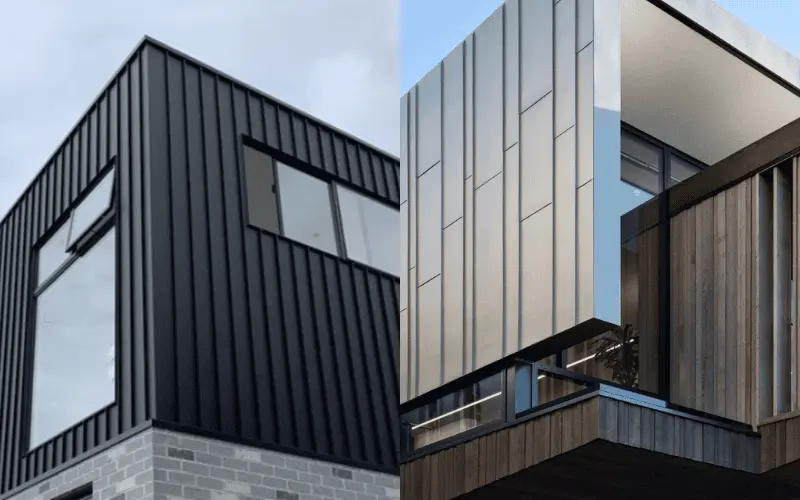
When comparing aluminum to its competitors, the differences become clear. Vinyl siding, while popular, can warp under intense sun exposure and often requires repainting after a decade. Wood siding offers natural charm but demands regular sealing and is vulnerable to rot. Fiber‑cement alternatives like Hardie Board provide durability but are heavier and more costly to install. In contrast, aluminum balances affordability, durability, and aesthetic flexibility without the pitfalls of frequent repainting or susceptibility to moisture.
Table of Contents
- Why Aluminum Siding Remains a Top Choice in 2026
- Key Benefits at a Glance
- Aluminum vs. Other Exterior Cladding Options
- Real‑World Case Study: A Mid‑Size Suburban Home
- Installation Process: What Homeowners Should Expect
- 1. Assessment & Measurement
- 2. Preparing the Substrate
- 3. Installing Starter Strips
- 4. Panel Placement
- 5. Trims and Finishing Touches
- Cost Overview: Budgeting for Aluminum Siding in 2026
- Common Mistakes and How to Avoid Them
- Maintenance Tips to Extend the Life of Your Aluminum Siding
- Environmental Impact and Sustainability
- Frequently Asked Questions
- Is aluminum siding suitable for coastal areas?
- Can I install aluminum siding over existing siding?
- How long does aluminum siding last?
- Does aluminum siding affect home resale value?
- What colors are available?
- Next Steps: Choosing the Right Aluminum Siding for Your Home
Real‑World Case Study: A Mid‑Size Suburban Home
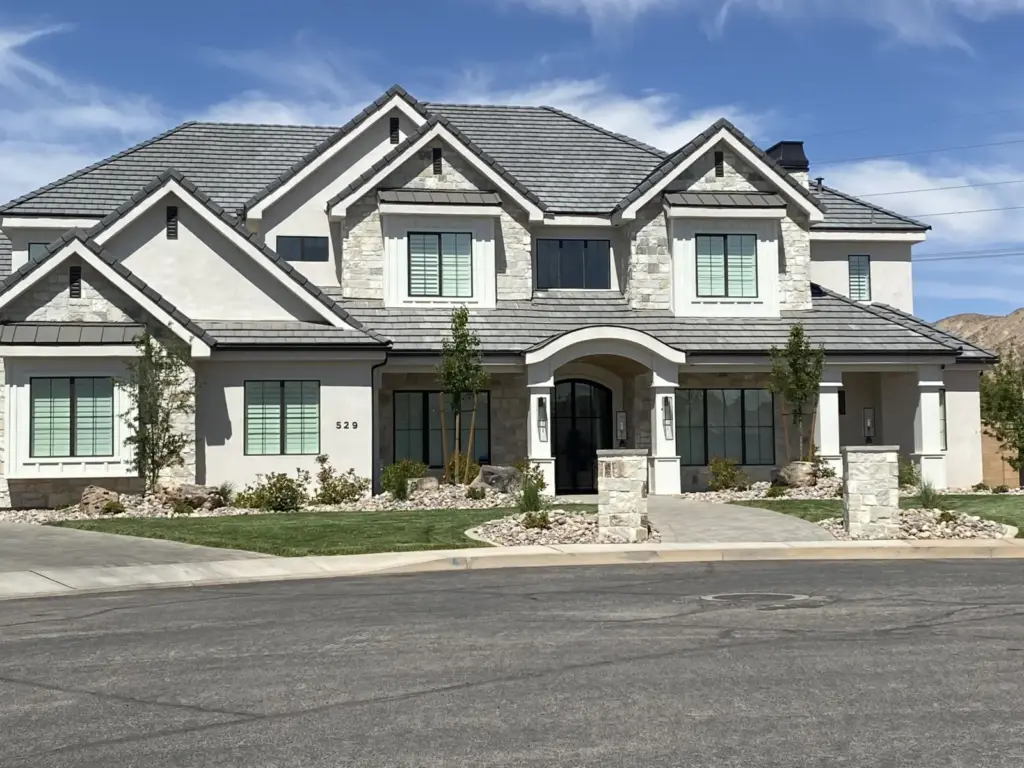
John and Maya Martinez renovated their 2,300‑sq‑ft home in Austin, Texas, in early 2026. After consulting a local contractor, they replaced their aging vinyl siding with brushed‑aluminum panels. Within six months, they reported a 9 % drop in their utility bills, and a post‑renovation inspection confirmed no signs of water intrusion despite the region’s heavy summer storms. Their experience mirrors findings from the National Association of Home Builders 2026 Homeowner Satisfaction Survey, which highlighted a 15 % increase in perceived value for homes featuring aluminum exteriors.
Installation Process: What Homeowners Should Expect
Proper installation is crucial to unlocking aluminum’s full potential. Below is a step‑by‑step guide that outlines the typical workflow for a professional crew.
1. Assessment & Measurement
A thorough site evaluation determines the required panel dimensions, identifies any needed repairs, and ensures proper ventilation behind the siding. Accurate measurements prevent material waste and help you obtain a precise estimate.
2. Preparing the Substrate
All existing siding must be removed, and the sheathing inspected for rot or water damage. A weather‑resistant barrier (WRB) such as house wrap is then installed to act as a secondary defense against moisture.
3. Installing Starter Strips
Starter strips anchor the first row of aluminum panels, guaranteeing a straight line and preventing water infiltration at the bottom edge.
4. Panel Placement
Panels are nailed or screwed into the sheathing using corrosion‑resistant fasteners. Overlap joints are staggered to enhance water shedding, and each seam is sealed with a high‑quality, paint‑compatible caulk.
5. Trims and Finishing Touches
Corner, window, and door trims are fitted to complete the look and provide additional protection against wind-driven rain. The final step involves a thorough cleaning to remove any construction debris.
For a deeper dive into the nuances of siding installation, see our guide on choosing, installing & maintaining vinyl siding, which shares many overlapping steps and offers useful cross‑material comparisons.
Cost Overview: Budgeting for Aluminum Siding in 2026
According to the 2026 Home Improvement Cost Index published by Remodeling Magazine, the average material cost for aluminum siding ranges from $2.75 to $4.50 per square foot, while labor typically adds $1.80 to $2.50 per square foot. This puts the total project cost between $4.55 and $7.00 per square foot, depending on complexity, local labor rates, and any necessary preparatory work. Compared to fiber‑cement ($7–$10 per sq ft) and premium wood cladding ($9–$12 per sq ft), aluminum remains one of the most cost‑effective options for high‑performance exterior upgrades.
Common Mistakes and How to Avoid Them
- Skipping the WRB: Omitting a proper weather‑resistant barrier can lead to moisture buildup behind the siding, causing mold and structural decay.
- Improper fastener spacing: Using nails too far apart reduces the panel’s wind resistance and can cause warping over time.
- Neglecting trim sealing: Unsealed trims become entry points for water; always apply a high‑quality sealant at joints.
- Choosing the wrong gauge: Thinner gauges may look attractive but can dent easily; select a gauge that matches your climate’s wind and hail exposure.
Maintenance Tips to Extend the Life of Your Aluminum Siding
One of aluminum’s strongest selling points is its low-maintenance nature, but a few simple practices keep it looking pristine for decades.
- Regular cleaning: Wash panels annually with a garden hose and mild detergent to remove dust, pollen, and salt residue.
- Inspect seams and fasteners: Check for loose screws or cracked caulk after severe weather events.
- Touch‑up paint when needed: Although most aluminum siding comes pre‑finished, minor scratches can be repaired with a compatible exterior enamel.
- Maintain surrounding vegetation: Keep trees trimmed to prevent bark and sap from contacting the panels.
Environmental Impact and Sustainability
Aluminum is 100 % recyclable without loss of quality. The Aluminum Association reports that recycling aluminum saves up to 95 % of the energy required to produce new metal. Choosing aluminum siding therefore reduces your home’s carbon footprint while supporting a circular economy. Additionally, the lightweight nature of the material means less fuel consumption during transport compared to heavier alternatives.
Frequently Asked Questions
Is aluminum siding suitable for coastal areas?
Yes. Modern aluminum alloys feature a protective coating that resists salt‑induced corrosion, making them ideal for beachfront properties.
Can I install aluminum siding over existing siding?
While it’s technically possible, the best results come from removing old material and installing a fresh WRB to ensure proper ventilation and moisture control.
How long does aluminum siding last?
With proper installation and routine maintenance, aluminum siding can last 40–50 years, often outlasting the home itself.
Does aluminum siding affect home resale value?
According to the 2026 Real Estate Trends Report by National Association of Realtors, homes with aluminum exteriors see an average price premium of 5–7 % over comparable properties with standard vinyl siding.
What colors are available?
Manufacturers now offer over 150 factory‑finished colors, including matte, metallic, and wood‑grain finishes, allowing homeowners to achieve virtually any aesthetic.
Next Steps: Choosing the Right Aluminum Siding for Your Home
Start by assessing your climate, budget, and design preferences. Consult a reputable contractor—use resources like top siding companies 2026—to obtain samples, verify warranty terms, and get a detailed quote. Remember, the most successful projects combine high‑quality materials with skilled installation and ongoing care.
Aluminum siding remains a versatile, durable, and eco‑friendly choice for homeowners who demand performance without the hassle of frequent repainting or repairs. By understanding the benefits, costs, and proper installation methods, you can make an informed decision that enhances both the appearance and value of your property for decades to come.
